
In a recent development, George Zimmerman, the former Florida neighborhood-watch volunteer infamous for the fatal shooting of Trayvon Martin in 2012, has made headlines by announcing his decision to auction off the very pistol he used in the controversial incident. This decision has reignited public interest and debate surrounding the case, prompting discussions on gun ownership, justice, and the impact of high-profile incidents on society. This blog post delves into the details surrounding Zimmerman’s intentions, shedding light on the situation with information sourced from reputable outlets.
Background and Zimmerman’s Motivation:
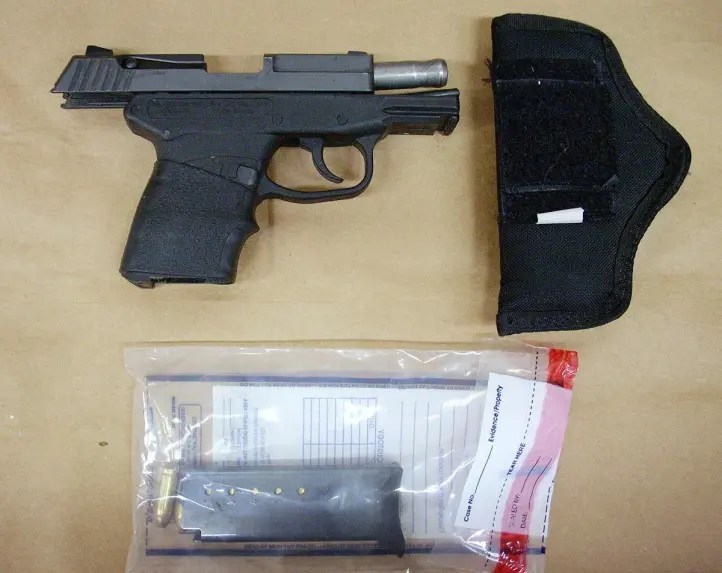
As reported in an interview with Orlando’s TV station WOFL, George Zimmerman shared that the U.S. Justice Department recently returned the pistol to him, following his acquittal in the 2012 shooting death of Trayvon Martin. Zimmerman wants to move on from the firearm by selling it, hoping to leave the incident behind. If the auction succeeds, it signifies a symbolic transition for him. Otherwise, he plans to securely store the gun for future generations, keeping it unused and out of sight.
The Auction Listing:
The firearm, identified as a 9 mm Kel-Tec PF-9 pistol, is now listed on GunBroker.com for auction. The bidding is set to commence on Thursday at 11 am and conclude on Friday. The initial bidding price for the controversial weapon starts at $5,000. The listing prominently states “George Zimmerman’s PF-9 used on 2/26/12,” referring to the specific date of the tragic incident. This event garnered nationwide attention and sparked debates on race, gun laws, and self-defense.
Noteworthy Addition: A Latin Phrase:
Interestingly, the auction listing concludes with a thought-provoking Latin phrase: “Si vis pacem, para bellum” which translates to “if you want peace, prepare for war.” The inclusion of this phrase provides additional context and raises questions about the underlying sentiments associated with the firearm’s auction.
Controversial Response:
Unsurprisingly, George Zimmerman’s decision has drawn strong reactions from the public, particularly from those who oppose the auction. When asked about people who express opposition to the auction, Zimmerman dismissively stated, “They’re not going to be bidding on it, so I couldn’t care less about them.” Such remarks only fuel the ongoing discussions surrounding the ethical implications of selling a firearm tied to a tragic event.
Conclusion:
George Zimmerman’s auction of the Trayvon Martin shooting pistol sparks public attention and reignites debates on gun control, justice, and the impact of high-profile incidents. This controversial event highlights broader societal issues related to gun violence and the lasting effects of tragedies. The auction’s outcome will shape the narrative, fostering dialogue on personal ownership, accountability, and the pursuit of justice.
 Luis Fernandez, PA